
10 Reasons a Sport Camp is a Game-Changer
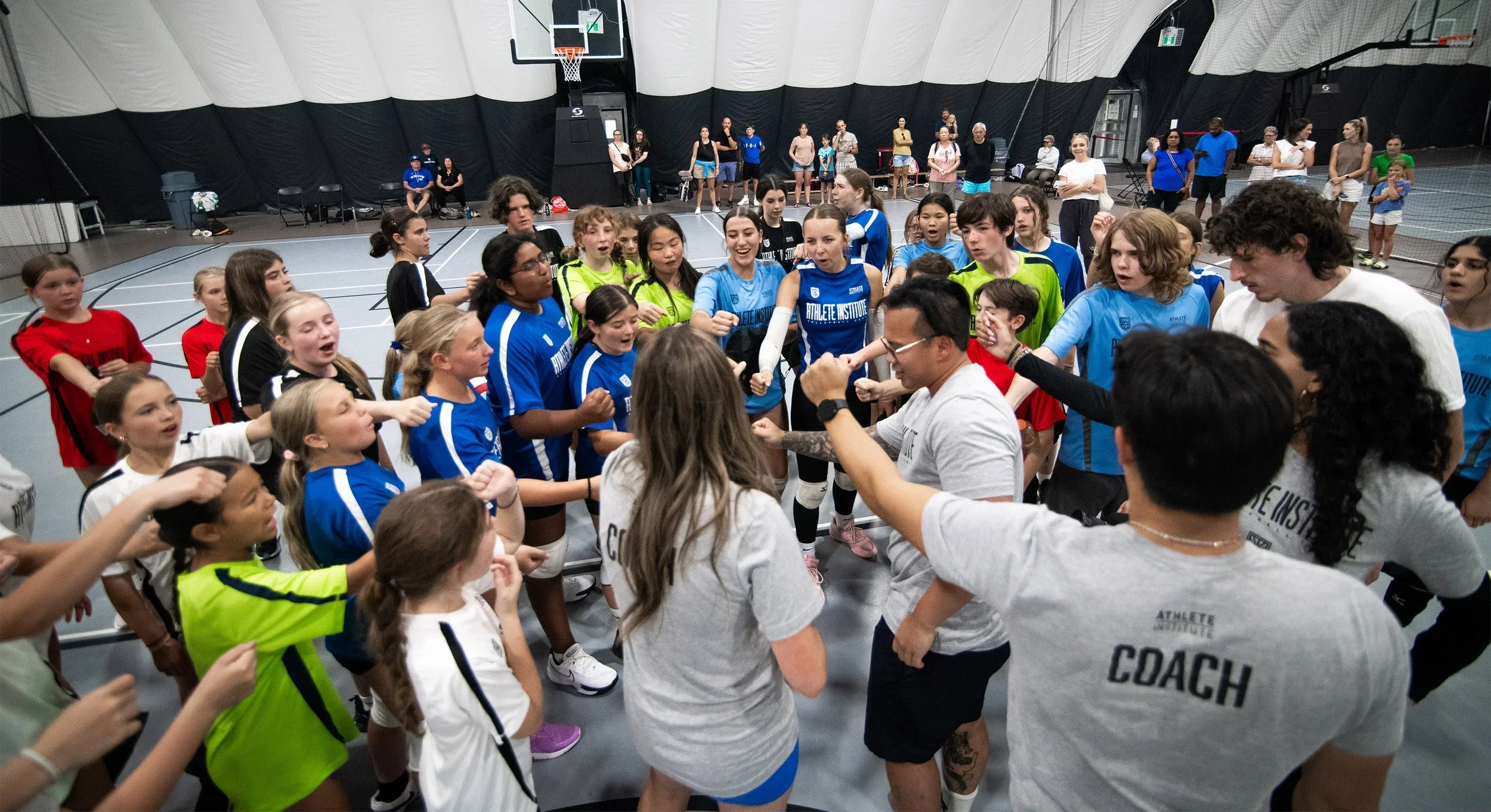
Every athlete knows that weird limbo phase when the school year ends. The schedule clears out, the gym feels a little quieter, and suddenly you have a massive choice to make. You can coast through the summer on autopilot, or you can use those months to become a completely different player by September.
At Athlete Institute in Orangeville, we see this transformation every single July. Athletes walk into the fieldhouse on Monday still shaking off the off-season rust. By friday, they are moving with a different twitch, playing faster, and carrying a kind of swagger that simply wasn't there four days ago.
It isn't some secret formula. It’s the environment. Here is why sports camps do more for your game than a month of solo training.
The Math of the “High-Volume” Week
Think about your average team practice during the season. Whether you're playing basketball, volleyball, or soccer, there are a lot of athletes sharing the same space, and usually only a limited number of reps to go around.
At a specialized sports camp, that ratio flips. Drills are designed so athletes stay constantly involved. Basketball players are getting extra shots and ball-handling reps. Volleyball athletes are repeating serves, passes, and attacking drills. Soccer players are working touches, footwork, and small-sided games.
By the end of the week, most athletes have logged more meaningful repetitions than they would in several weeks of normal team practices. That’s where muscle memory actually starts to build.

More touches.
More reps.
More chances to correct mistakes in real time.
The Lightbulb Moment
Confidence doesn't come from a motivational speech. It comes from the first time a crossover actually works in a live scrimmage, or when a shooting mechanic you’ve been struggling with finally clicks. A high-quality youth sports camp gives athletes the room to mess up, adjust, and try again without the pressure of a scoreboard. That is where real confidence is built.
Hearing a Different Voice
Sometimes, you can hear your home coach say the same thing a thousand times and it just becomes background noise.
Then, a guest coach at a summer sports camp says the exact same thing using one different word and suddenly it makes sense. A fresh perspective can unlock habits that felt permanent before.
You Can’t Fake the Energy
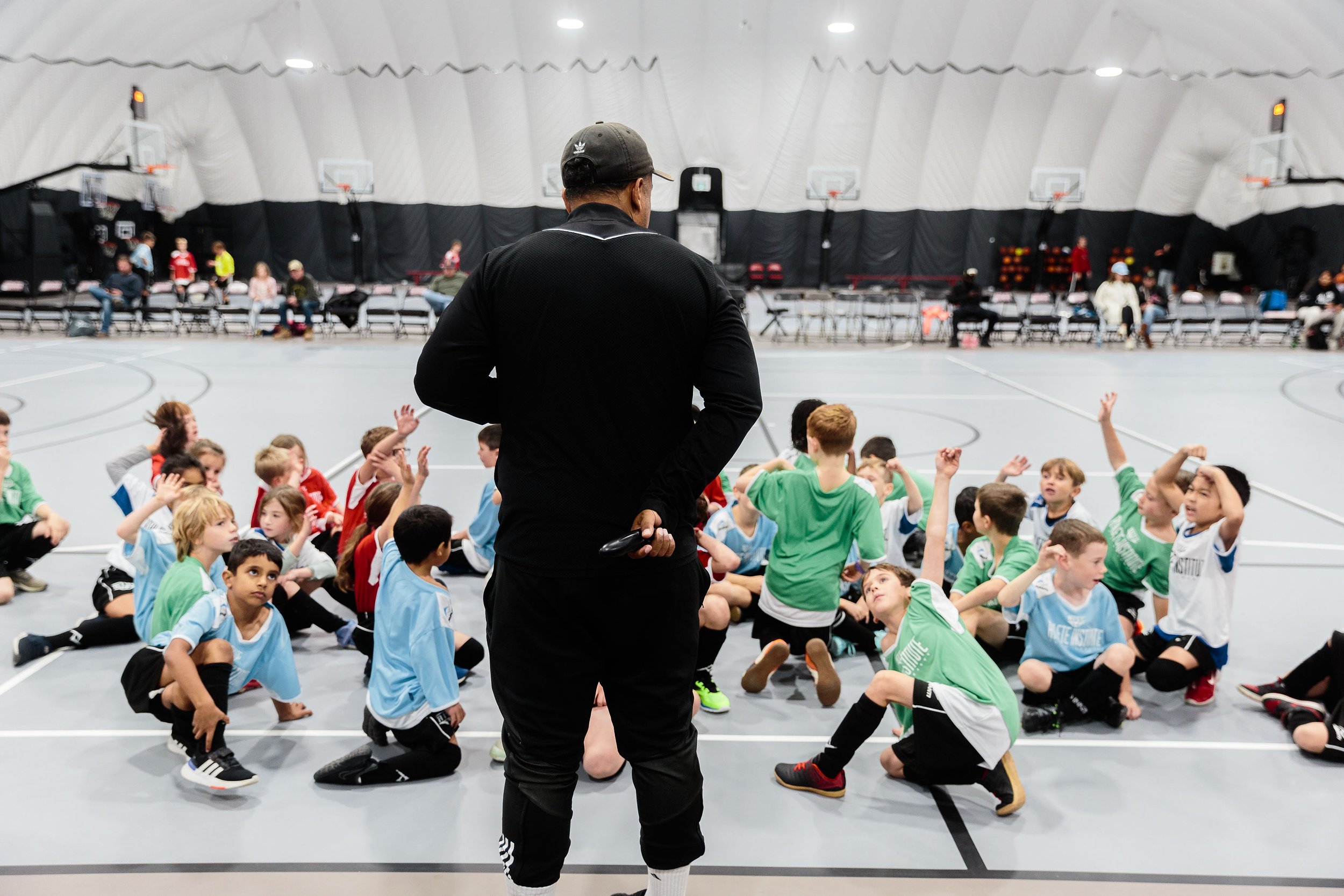
There is a specific vibe when you are in a room where everyone actually wants to be there. At an overnight summer camp, you aren't just playing with classmates who are there for a credit.
You are surrounded by players who are just as obsessed with the game as you are. That collective hunger forces you to level up because you simply can't take a play off when the person across from you is going 100%.
The Independence Factor
For the overnight crew, camp is a sneak peek at real independence.
No one is waking you up to make sure your gear is packed or reminding you to stay hydrated. You learn to take ownership of your body and your schedule. When a player starts taking responsibility for their laundry and their sneakers, they usually start taking responsibility for their box-outs and their defense too. .

Cross-Training by Accident
Specialization is great, but functional athleticism is better.
At a multi-sports camp, you might watch a volleyball player track a ball in the air or a soccer player use their peripheral vision, and realize those same movements apply to basketball, volleyball, soccer, or whichever sport you focus on most. It builds a more well-rounded athlete who is much harder to read on the court.
Living Like a Pro
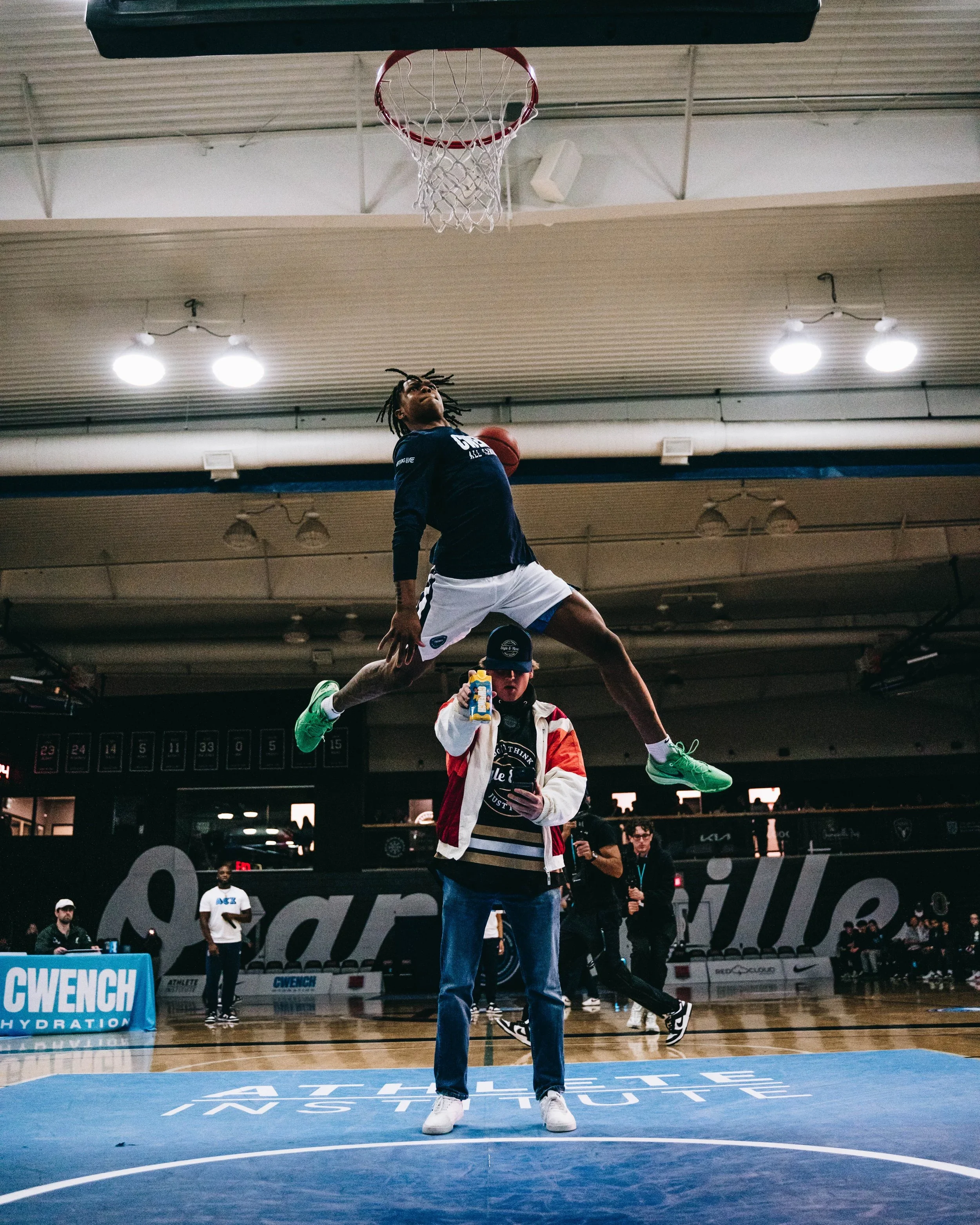
Most kids haven't experienced what a pro schedule feels like until they get to camp. It is a cycle of fueling, training, and recovering.
Instead of just playing sports, you are living the lifestyle. Seeing that structure in action, from early morning technical work to late-afternoon competition, shows athletes what it actually takes to play at the next level.
The September Advantage
Coaches can spot the "Camp Athletes" within the first ten minutes of tryouts, whether it's on the basketball court, volleyball court, or soccer field. While everyone else spends the first couple weeks of school trying to get their lungs back, the players who spent their summer at camp are already in game shape.. You aren't playing catch-up. You are setting the pace.
A Rare Break from the Scroll
Let’s be real. Most of the summer is spent staring at a phone. Camp breaks that loop. For a few days, the only thing that matters is the person in front of you and the goal behind them. That mental reset of just being present in the gym is a massive boost for your focus.
Finding the Why Again
This is the big one. Somewhere between the scrimmages and the late-night jokes in the residence halls, sports camps bring the fun back into training. When you leave camp motivated, you don'tjust play better. You actually want to work harder all season long.
Your Summer Starts in Orangeville

Whether you are just starting or aiming to compete at higher levels, Athlete Institute has programs designed to help you understand your role, master your skills, and grow as an athlete:
There are plenty of places to play, but Athlete Institute was designed from the ground up for one thing: development. From the courts to the coaching staff, everything here is built to make sure you leave as a better version of the athlete who walked in.
Whether you are eyeing a basketball camp, an all sports camp, or looking for that specialized volleyball camp experience, the goal is the same. Get better. The 2026 dates are filling up fast, so don't let your off-season go to waste.
Cant Commit to a Full Week?
Not every athlete can block out an entire week for camp, and that’s completely fine.
If a full summer sports camp doesn’t fit your schedule, Athlete Institute also offers weekly leagues, skill clinics, and shorter training sessions throughout the summer. Basketball leagues, volleyball skill nights, and multi-sport development clinics give athletes a chance to stay sharp and keep improving even if they can’t attend a full camp week.
The goal is simple: keep athletes moving, competing, and getting better all summer long.