
Volleyball Positions Explained: Roles, Rotations, and What Each Position Does

Volleyball is a team sport with six players on the court per side, and each position has a unique role that supports offense, defense, or both. Whether you’re playing recreationally or aspiring to compete at higher levels, understanding these roles helps you communicate better, improve your game IQ, and become a more effective teammate.
This guide is perfect for players, parents of young athletes, and coaches wanting a clear, easy-to-understand breakdown of volleyball positions, roles, and rotations.
Primary Volleyball Positions & What They Do
Setter
The “Quarterback” of Volleyball
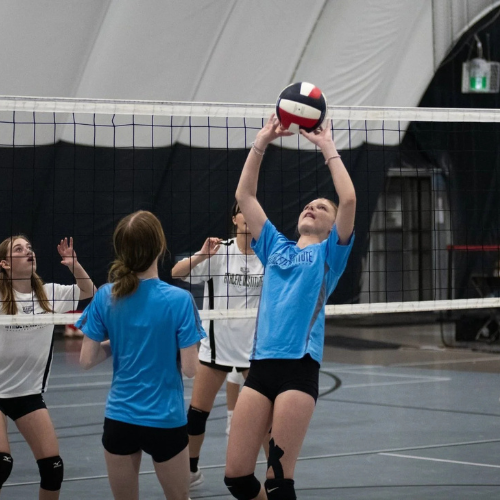
The setter is the playmaker. Their main role is to deliver accurate, strategic sets to attackers (hitters). A great setter reads the defense, communicates constantly, and makes split-second decisions.
Key Responsibilities:
Touching the ball more than most players
Choosing which attacker to set
Running fast, tactical plays
Serving as a team leader
Imagine you are watching a high-level match — the flow of the offense almost always starts with the setter’s hands.
Outside Hitter (Left Side)
The Primary Attacker
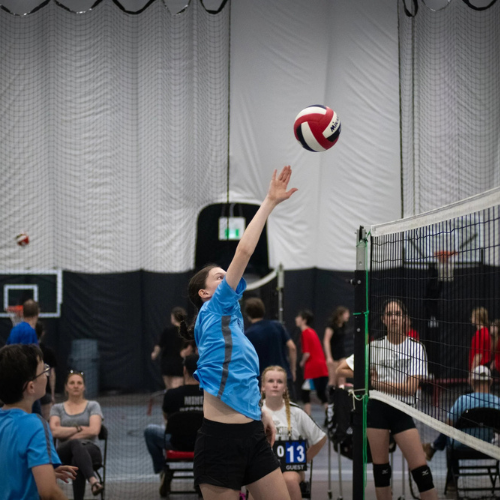
Outside hitters are versatile offensive weapons who attack from the left side of the court. They are usually involved in both front-row attacks and back-row defense.
Key Responsibilities:
Leading the team in kills
Passing in serve receive
Playing defense in the back row
This position demands strength, consistency, and the ability to adapt to imperfect sets.
Opposite (Right Side Hitter)
Balanced Between Offense & Block
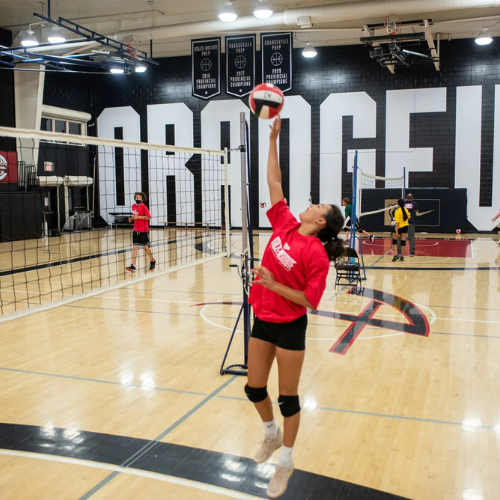
The opposite hitter plays on the right side and is a major attacking force from both front and back row.
Key Responsibilities:
Attacking high and off-speed sets
Blocking the opponent’s outside hitter
Providing balance to offensive schemes
Because they rarely pass (receive), they can focus more on attacking and blocking.
Middle Blocker (Middle Hitter)
The Net Defender
Middle blockers patrol the centre of the net and are key in blocking opponent attacks.
Key Responsibilities:
Quick attacks (often called “quick sets”)
Shut down fast attacks from opponents
Sprint along the net for blocks
This is one of the most athletic positions, requiring great timing and explosive movement.
Libero
The Defensive Specialist
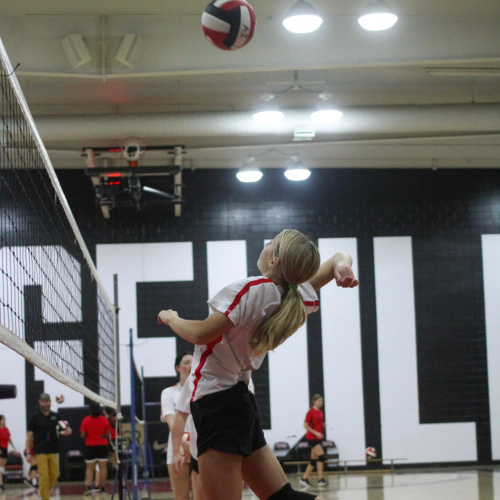
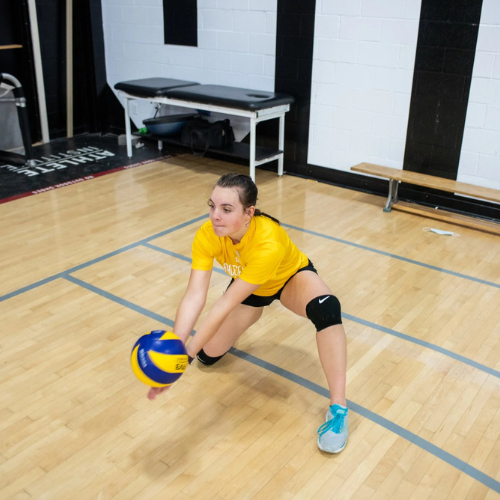
The libero is a back-row specialist who focuses on serve receive, digs, and defense. Liberos wear a different colored jersey and can freely substitute for back-row players without counting as a substitution.
Key Responsibilities:
Receive serves
Defend hard-driven attacks
Improve team passing accuracy
Libero skill often sets the tone for team defense and transition to offense.
How Rotations Work in Volleyball
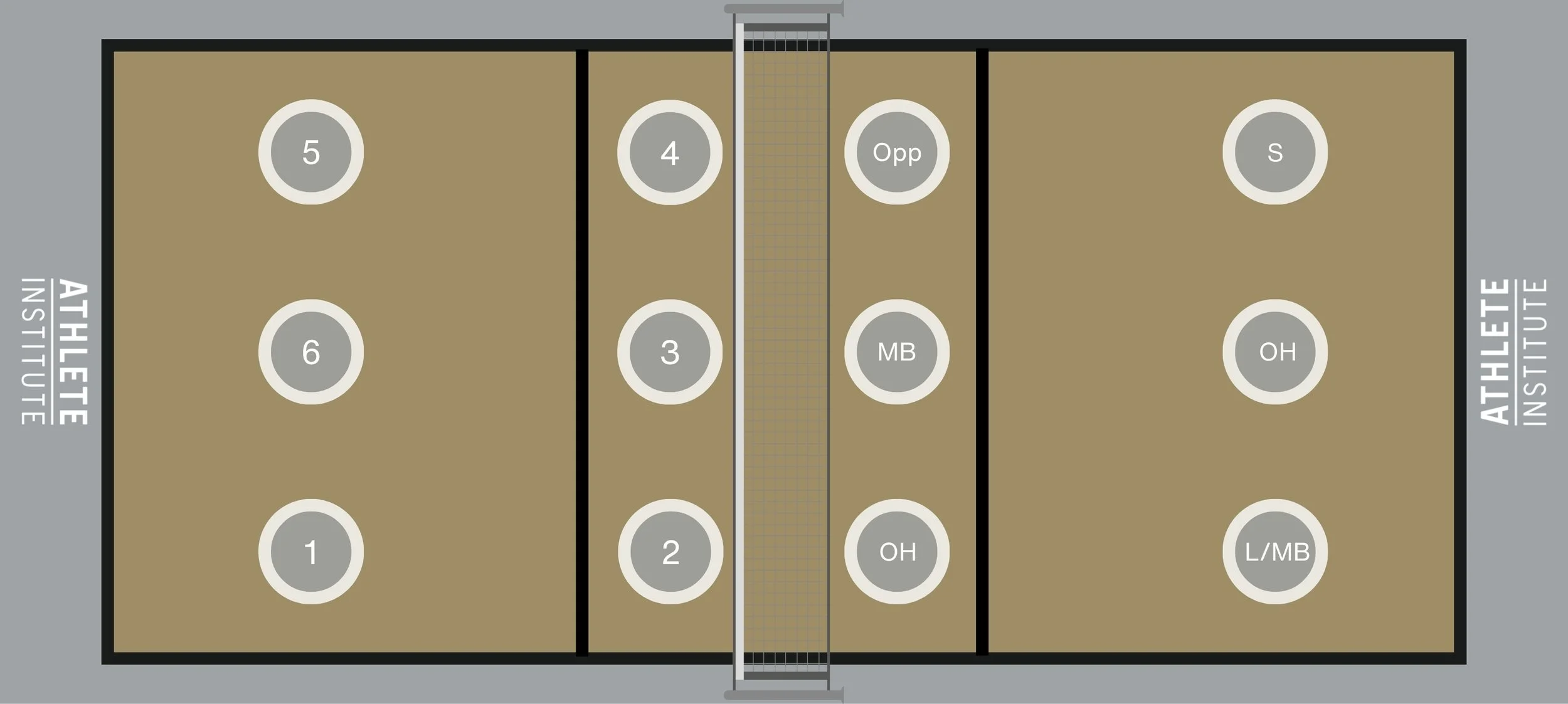
Volleyball uses a six-rotation system to ensure all players get offensive and defensive responsibilities. Teams rotate clockwise after winning a serve from the opponent. Rotation numbers (1 through 6) correspond to positions on the court at serve.
Quick Breakdown:
Rotation 1 – Server in back-right
Rotation 2 – Right-front attacker
Rotation 3 – Middle-front blocker
Rotation 4 – Left-front attacker
Rotation 5 – Left-back defensive
Rotation 6 – Middle-back defensive
Players can specialize positions (like libero or defensive specialist) while still following rotation rules. Understanding rotations helps players transition seamlessly between offense and defense.
Why Understanding Positions Improves Your Game
When players truly understand their role, several benefits happen:
Better team communication
Increased confidence in decision-making
Faster skill development
Higher chances of winning tight matches
For youth athletes, grasping positional responsibilities early can accelerate long-term growth in the sport.
Ready to Elevate Your Volleyball Skills?
Whether you are just starting or aiming to compete at higher levels, Athlete Institute has programs designed to help you understand your role, master your skills, and grow as an athlete:
Explore Our Volleyball Programs
Youth Volleyball League – Weekly skill development and games for youth ages 11–18.
Volleyball Clinics – Focused training in a team setting for athletes 10–17.
Summer Volleyball Camps – Day and overnight camps with elite coaching.
Adult Volleyball League – Competitive 6v6 adult indoor league.
Understanding your position is not just theory — it’s the first step to becoming a confident, effective volleyball player who can read the court, make smart plays, and contribute to team success.
